Overview
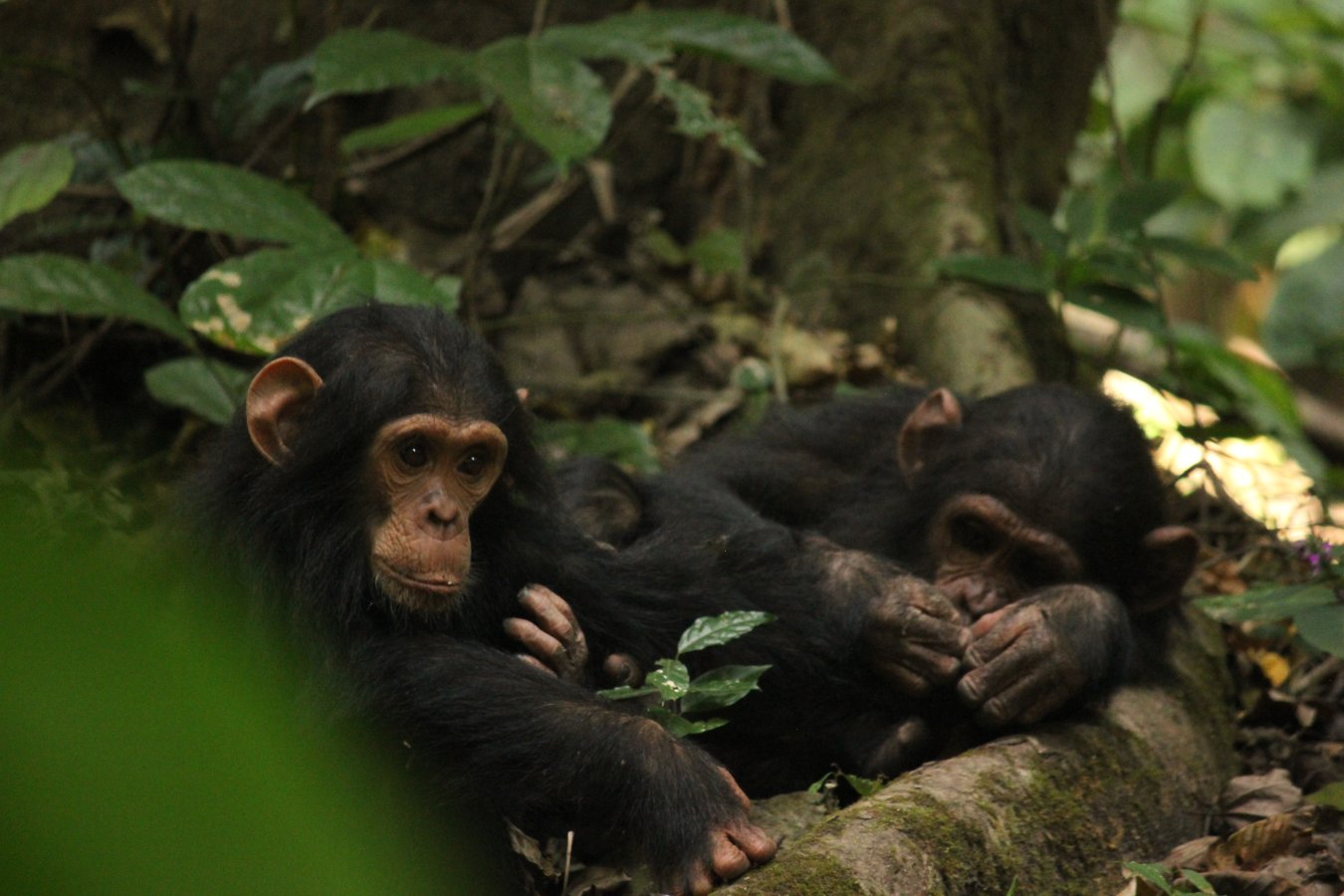
Gombe Stream National Park holds a special place in the history of wildlife research. It was here in 1960 that a young Jane Goodall began her groundbreaking study of wild chimpanzees, work that would continue for over six decades and fundamentally change our understanding of primate behavior and our relationship with the natural world. Today, Gombe remains an active research site and one of the best places in Africa to observe wild chimpanzees. At just 52 square kilometers, Gombe is Tanzania's smallest national park, a narrow strip of mountainous terrain along the eastern shore of Lake Tanganyika. Despite its small size, the park protects steep valleys draped in tropical forest, grassland ridges, and a stretch of pristine lakeshore. The forested valleys are home to approximately 100 chimpanzees, including habituated groups that can be tracked on foot with park guides. Tracking chimpanzees through Gombe's steep terrain is a physical but deeply rewarding experience. The chimps here have been studied and observed for so long that they are remarkably tolerant of human presence, allowing for close and extended observation. Watching a community of chimps groom each other, play, forage, and communicate is a powerful reminder of our shared evolutionary heritage. Gombe also supports populations of olive baboon (another of Goodall's study subjects), red colobus monkey, blue monkey, and a variety of forest birds and butterflies. The lakeshore offers swimming and snorkeling in the remarkably clear waters of Lake Tanganyika. Access is by boat from Kigoma, adding an adventurous dimension to the journey. Gombe is often combined with Mahale for the ultimate chimpanzee experience.
