Rongai Route
Kilimanjaro Climbing Route

Rongai Route

Northern Approach

7 Days
Moderate Difficulty
75% Success Rate
5,895m Summit

Route Overview

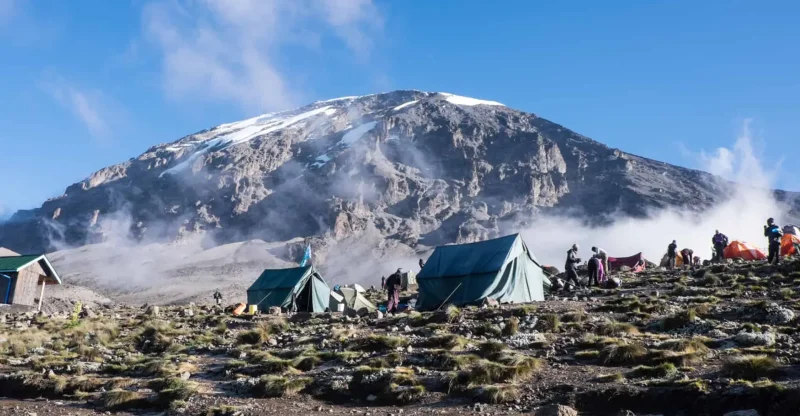
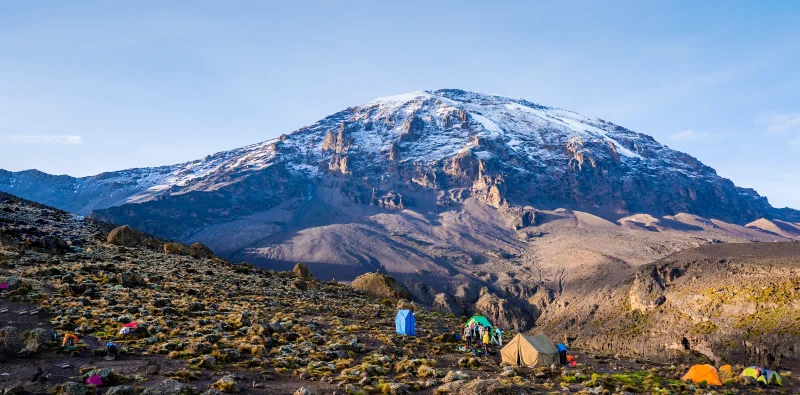
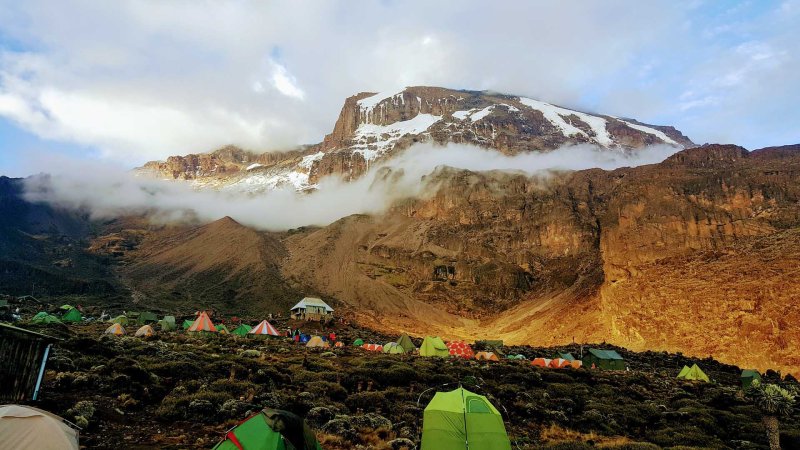
The Rongai Route is the only path that approaches Mount Kilimanjaro from the north, near the Kenyan border, offering a completely different perspective on Africa's highest peak. This route is prized for its remote wilderness character, drier conditions thanks to the rain shadow effect on the northern slopes, and a more gradual ascent profile that makes it one of the easier routes on the mountain. Rongai provides a genuine sense of adventure as it passes through landscapes that few other trekkers experience. Beginning at Nale Moru Gate at 1,950 meters, the trail enters a zone of cultivated farmland before ascending into pine and heather forest. The northern slopes of Kilimanjaro receive less rainfall than the southern approaches, resulting in a drier, more open forest with excellent visibility. As trekkers gain altitude, the trail passes through heath and moorland with views across the Kenyan plains stretching to Amboseli National Park. The route passes a series of cave camps, including the atmospheric Second Cave and Kikelelwa Camp, before reaching the spectacular Mawenzi Tarn nestled beneath the jagged spires of Mawenzi Peak. The highlight of the Rongai Route is the day spent at Mawenzi Tarn, a glacial lake at 4,310 meters surrounded by the dramatic volcanic pinnacles of Kilimanjaro's second-highest peak. This is one of the most stunning campsites on the entire mountain and provides an excellent acclimatization day with optional hikes toward the base of Mawenzi. From here, the trail crosses the lunar landscape of The Saddle between Mawenzi and Kibo before reaching School Hut, the staging camp for the summit push. The summit approach follows the same path as the Marangu Route from Kibo Hut, ascending to Gilman's Point and then along the crater rim to Uhuru Peak. The Rongai Route is ideal for trekkers who want a quieter, less crowded experience with a moderate level of difficulty. The drier northern aspect makes it an excellent choice during the rainy season when southern routes can be wet and muddy. The gradual ascent profile with no technical scrambling sections makes Rongai a good option for less experienced trekkers or those who prefer a steadier, less dramatic climb. Descending via the Marangu Route adds variety and provides a different perspective on the mountain.
Key Facts

Duration 7 days
Difficulty Moderate
Success Rate 75%
Traffic Low
Distance 73.0 km
Scenery 7/10

Day-by-Day Itinerary

Simba Camp, named after the Swahili word for 'lion,' sits in a clearing of heather forest on Kilimanjaro's northern slopes. The camp has a distinctly different feel from the southern approaches, with drier, more open vegetation and views toward the Kenyan border. The relatively low altitude makes this a comfortable first night, allowing trekkers to ease into the routine of mountain life.
Camp: Simba Camp
Altitude: 2,625m
Second Cave Camp is named after the shallow rock overhang near the campsite, one of several caves formed by ancient lava flows on the northern slopes. The camp sits in open moorland with excellent views of the Kibo summit cone ahead. The dry, sparse vegetation of the northern aspect creates a more arid, almost desert-like atmosphere compared to the lush southern routes.
Camp: Second Cave
Altitude: 3,450m
Kikelelwa Camp is a beautiful, seldom-visited campsite in a sheltered valley on the northeastern slopes of Kilimanjaro. The camp is surrounded by giant heather and groundsel, and the relatively moderate altitude makes it a pleasant overnight stop. The trail from Second Cave passes through increasingly dramatic terrain with views of the rugged Mawenzi Peak growing ever more impressive.
Camp: Kikelelwa Camp
Altitude: 3,630m
Mawenzi Tarn is arguably the most spectacular campsite on the entire mountain. This glacial lake sits in a dramatic amphitheater directly beneath the towering volcanic spires and pinnacles of Mawenzi Peak, Kilimanjaro's second-highest summit. The tarn reflects the jagged rock formations above, creating unforgettable photographic opportunities. An acclimatization day here includes optional hikes toward the base of Mawenzi.
Camp: Mawenzi Tarn
Altitude: 4,310m
School Hut is the summit staging camp for the Rongai Route, located on the eastern saddle between Kibo and Mawenzi at 4,750 meters. Named after the small stone structure that served as a school for early guides, the camp is exposed and barren. Trekkers prepare here for the midnight summit push, with views across The Saddle to the Mawenzi spires behind and the slopes of Kibo rising ahead.
Camp: School Hut
Altitude: 4,750m
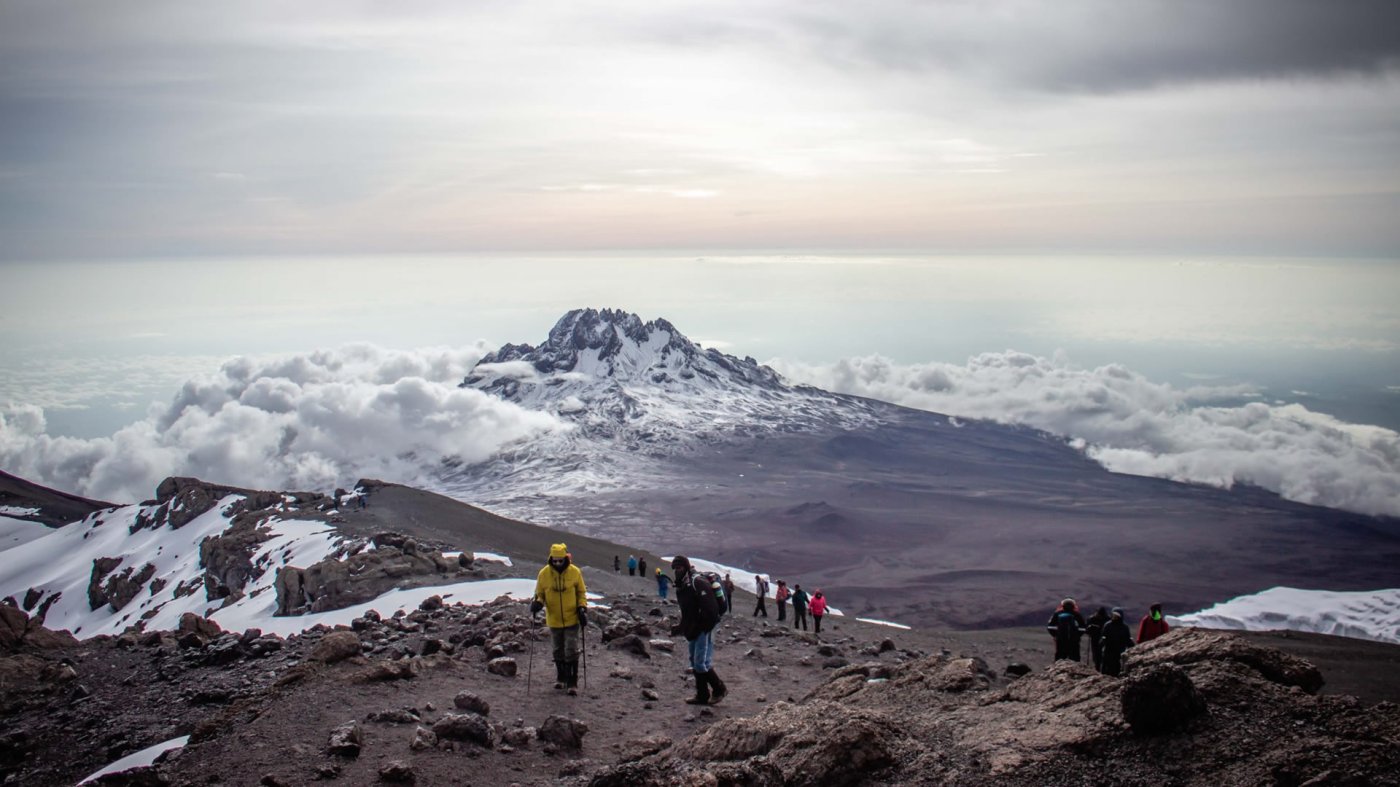
Uhuru Peak at 5,895 meters is the highest point on the African continent and the goal of every Kilimanjaro climber. Reaching the summit via the Rongai Route means ascending from the lesser-known northern side, passing through unique landscapes that few trekkers experience. The sunrise from the summit illuminates the massive glaciers and reveals the volcanic crater below.
Camp: Uhuru Peak
Altitude: 5,895m

Altitude Profile

2,625m
D1 Simba Camp
3,450m
D2 Second Cave
3,630m
D3 Kikelelwa Camp
4,310m
D4 Mawenzi Tarn
4,750m
D5 School Hut
5,895m
D6 Uhuru Peak / Horombo Hut
1,860m
D7 Marangu Gate

Elevation profile from gate to Uhuru Peak summit at 5,895m.

Essential Packing List

This is a quick reference. For a comprehensive gear checklist, see our full Kilimanjaro packing guide.

Clothing

  • Moisture-wicking base layers
  • Insulating mid-layers (fleece)
  • Waterproof outer shell jacket
  • Warm down jacket for summit night
  • Hiking pants and waterproof trousers

Gear

  • Broken-in hiking boots
  • Trekking poles (adjustable)
  • Headlamp with spare batteries
  • Daypack (20-30L)
  • Sleeping bag (-10C rated)

Essentials

  • Sunscreen (SPF 50+)
  • Water bottles or hydration pack
  • Personal medications
  • Snacks for energy
  • Camera and batteries
Full Gear Checklist

Choose Your Climb Package

Same route, your choice of comfort level. All packages include park fees, guides, porters, meals, camping gear, airport transfers, and hotel accommodation.

Budget

$2,100
per person
  • Standard camping gear
  • Shared facilities
  • Basic meals
  • Certified guide
Book Budget

Luxury

$5,200
per person
  • Walk-in tents
  • Private portable toilet
  • Hot showers
  • Premium meals
  • Dedicated crew
Book Luxury

Prices are in USD per person. Tips for guides and porters ($250-350) are not included. Request an exact quote for your group.

Ready to Climb the Rongai Route?

Our experienced mountain team will guide you safely to Uhuru Peak. Includes all park fees, camping equipment, meals, and expert mountain guides.

Book Your Climb

Ready to Experience Tanzania?

Tell us your dream safari and we'll craft a personalized itinerary just for you.

Chat with us