Overview
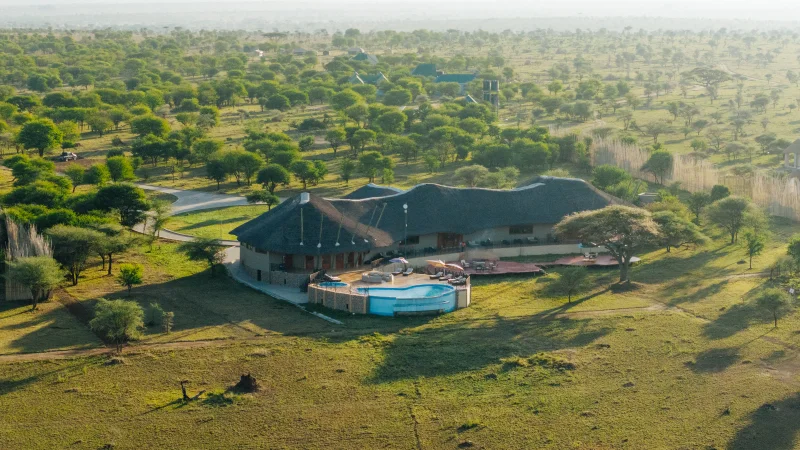
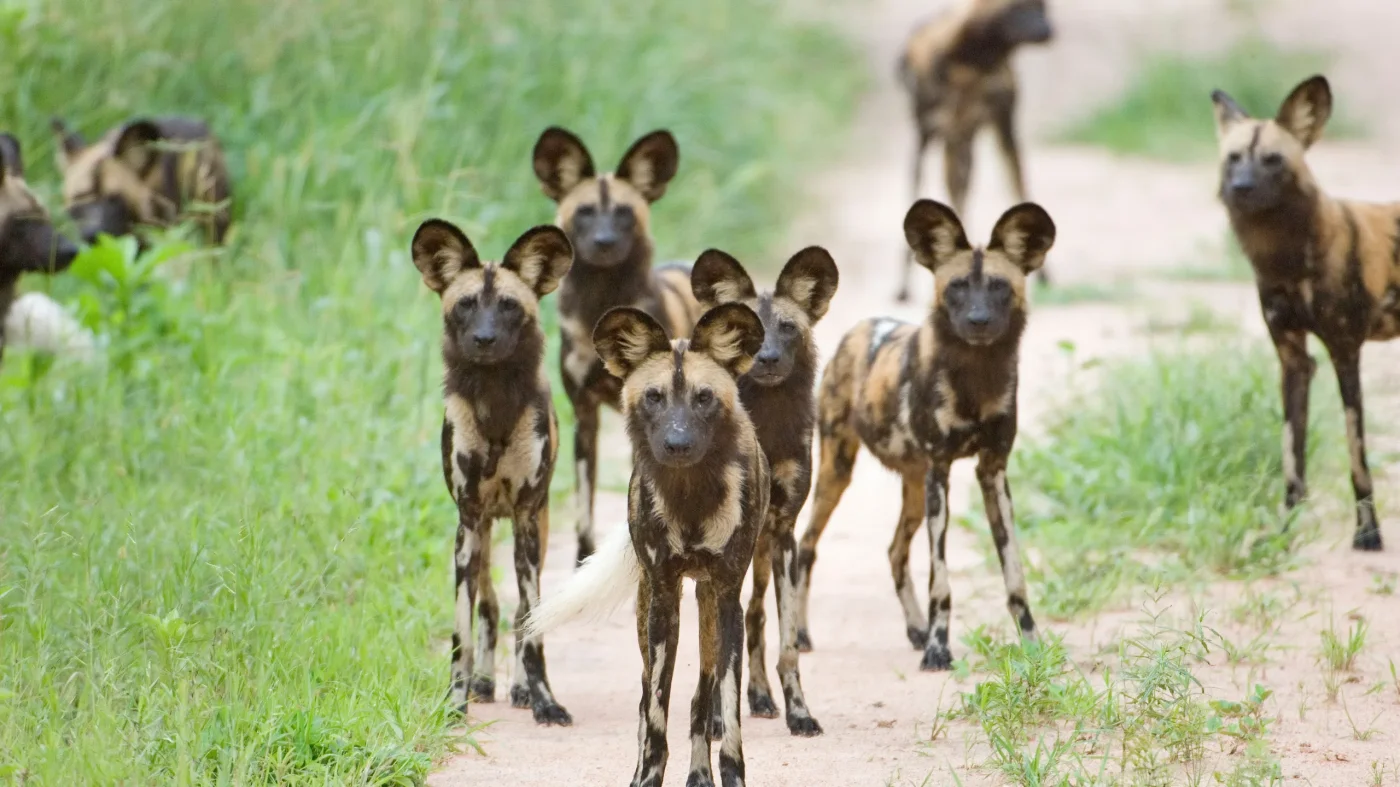
Ruaha National Park is Tanzania's largest national park, covering over 20,000 square kilometers of wild, undulating terrain in the heart of the country. Despite its enormous size and exceptional wildlife, Ruaha remains one of the least visited major parks in East Africa, offering an exclusive and authentic bush experience that is becoming increasingly rare on the continent. The park straddles the transition zone between East African savannah and southern miombo woodland, creating an ecological crossroads where species from both ecosystems overlap. This results in an unusually diverse range of wildlife, including both greater and lesser kudu, sable antelope, roan antelope, and Grant's gazelle alongside more common species. The Great Ruaha River, which gives the park its name, is the lifeline of the ecosystem and provides spectacular dry-season game viewing as animals gather along its shrinking pools. Ruaha is renowned for its predators. The park supports one of Tanzania's largest lion populations, estimated at over 10 percent of Africa's remaining lions. Large prides of 20 or more individuals are not uncommon. The park also has excellent populations of leopard, cheetah, African wild dog, and spotted hyena. Elephant herds numbering in the hundreds roam the baobab-studded landscape, and the park is thought to hold around 10 percent of Africa's elephant population. The remoteness of Ruaha is part of its charm. Accommodation is limited to a handful of intimate camps and lodges, ensuring low visitor density even during peak season. This is a park for serious safari enthusiasts who value solitude, exceptional guiding, and the thrill of exploring a genuine wilderness. Ruaha can be combined with Nyerere for an outstanding southern Tanzania safari circuit.