Lemosho Route
Kilimanjaro Climbing Route

Lemosho Route

The Scenic Route

8 Days
Challenging Difficulty
90% Success Rate
5,895m Summit

Route Overview

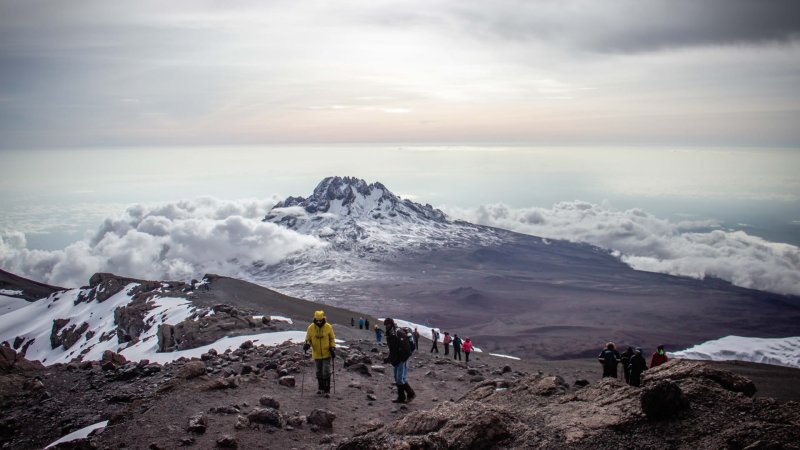
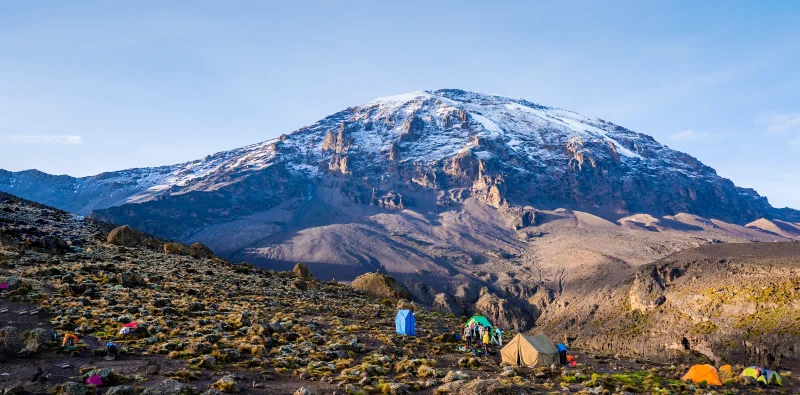
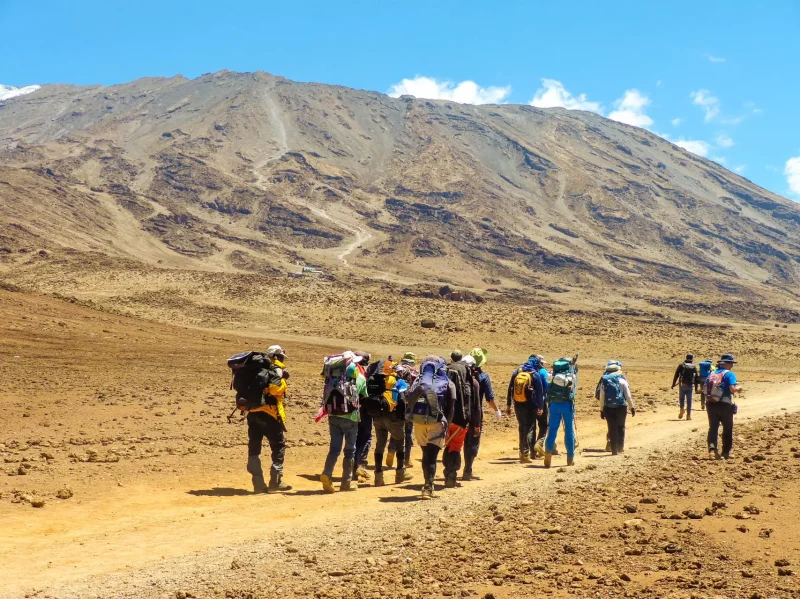
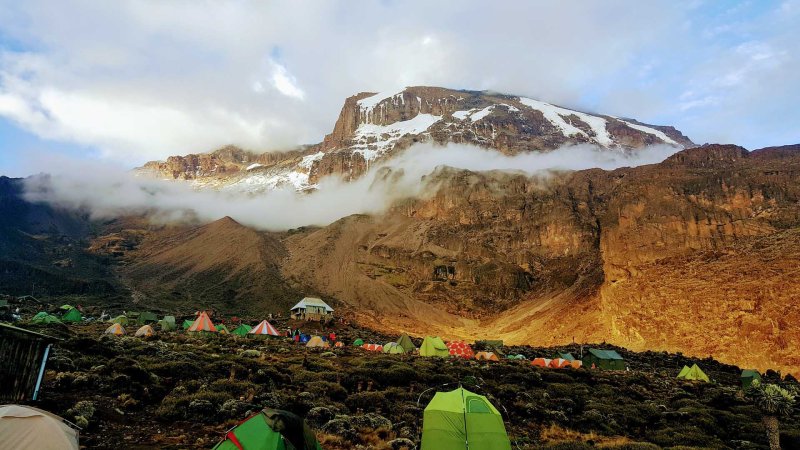
The Lemosho Route is widely regarded as the most beautiful path to the summit of Kilimanjaro and is our most recommended route for climbers who want the ultimate mountain experience. Approaching from the west through pristine, rarely-visited rainforest, Lemosho offers unparalleled scenic diversity, superb acclimatization, and the highest summit success rate of any standard route on the mountain. The eight-day itinerary provides a perfect balance of challenge and recovery, allowing your body to adapt naturally to the increasing altitude. The trek begins at Lemosho Gate at 2,100 meters, entering a section of remote montane rainforest that sees far fewer trekkers than the southern or eastern approaches. This wilderness feel is one of Lemosho's greatest assets, as the first two days of trekking feel genuinely wild and untouched. Blue monkeys and black-and-white colobus swing through the canopy above, while the forest floor is carpeted with mosses and ferns. As the trail emerges onto the Shira Plateau, one of Kilimanjaro's three volcanic cones, the landscape transforms into a vast moorland with panoramic views stretching to Mount Meru and beyond. The route traverses the full width of the Shira Plateau before passing beneath the imposing Lava Tower and descending into the Barranco Valley, following the same acclimatization profile as the Machame Route but with the advantage of extra days at altitude. The trek through the Barranco Wall, the traverse to Karanga Camp, and the climb to Barafu Camp provide a progressively challenging buildup to summit night. Each day reveals a completely different landscape, from the lush forest floor to the glacial ice fields near the summit, making Lemosho a photographer's dream. The Lemosho Route is ideal for trekkers who want to maximize their summit chances while enjoying the most scenic and least crowded approach. The longer itinerary is particularly beneficial for those concerned about altitude sickness, as the gradual ascent profile with multiple 'walk high, sleep low' days gives the body ample time to acclimatize. While the route is classified as challenging due to the Barranco Wall scramble and the demands of summit night, it is accessible to anyone with good fitness and determination.
Key Facts

Duration 8 days
Difficulty Challenging
Success Rate 90%
Traffic Low
Distance 70.0 km
Scenery 10/10

Day-by-Day Itinerary

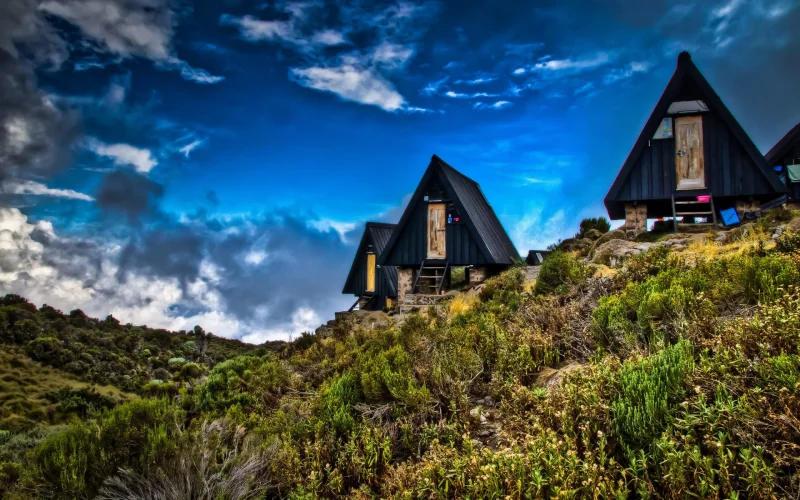
Mti Mkubwa, meaning 'Big Tree' in Swahili, is a beautiful forest camp named after the enormous fig trees that tower above the clearing. Set deep in the pristine rainforest of Kilimanjaro's western slopes, this camp sees very few trekkers compared to the southern routes. The forest here is rich with birdlife, and it is common to spot blue monkeys and black-and-white colobus in the canopy above.
Camp: Mti Mkubwa
Altitude: 2,780m
Shira 1 Camp marks the transition from forest to moorland on the western slopes of Kilimanjaro. The camp sits at the edge of the ancient Shira Plateau with views opening up dramatically as the trees thin out. The evening light at this camp is particularly beautiful, with the western sky glowing orange behind the silhouette of Mount Meru on clear evenings.
Camp: Shira 1
Altitude: 3,500m
Shira 2 Camp is located in the heart of the Shira Plateau, a vast expanse of moorland that was once the caldera of Kilimanjaro's oldest volcanic cone. The camp offers 360-degree views across the plateau, with the Kibo summit cone dominating the eastern horizon. This is where the Lemosho Route merges with trekkers from the Machame Route, and the increased activity is noticeable after two quiet days in the forest.
Camp: Shira 2
Altitude: 3,840m
After ascending to the Lava Tower at 4,630 meters for acclimatization, trekkers descend to Barranco Camp in the dramatic Barranco Valley. The camp is dwarfed by the towering Barranco Wall and surrounded by giant groundsel plants that give the landscape an otherworldly character. The descent from Lava Tower to Barranco exemplifies the 'walk high, sleep low' strategy that makes the Lemosho Route so effective for acclimatization.
Camp: Barranco Camp
Altitude: 3,960m
Karanga Camp sits in a sheltered valley between the Barranco Wall and the Barafu ridge. After the exhilarating scramble up the Barranco Wall in the morning, trekkers descend into the Karanga Valley and climb to this camp. It serves as the last water point before the summit and provides a crucial extra night for acclimatization before moving to Barafu Camp.
Camp: Karanga Camp
Altitude: 4,035m
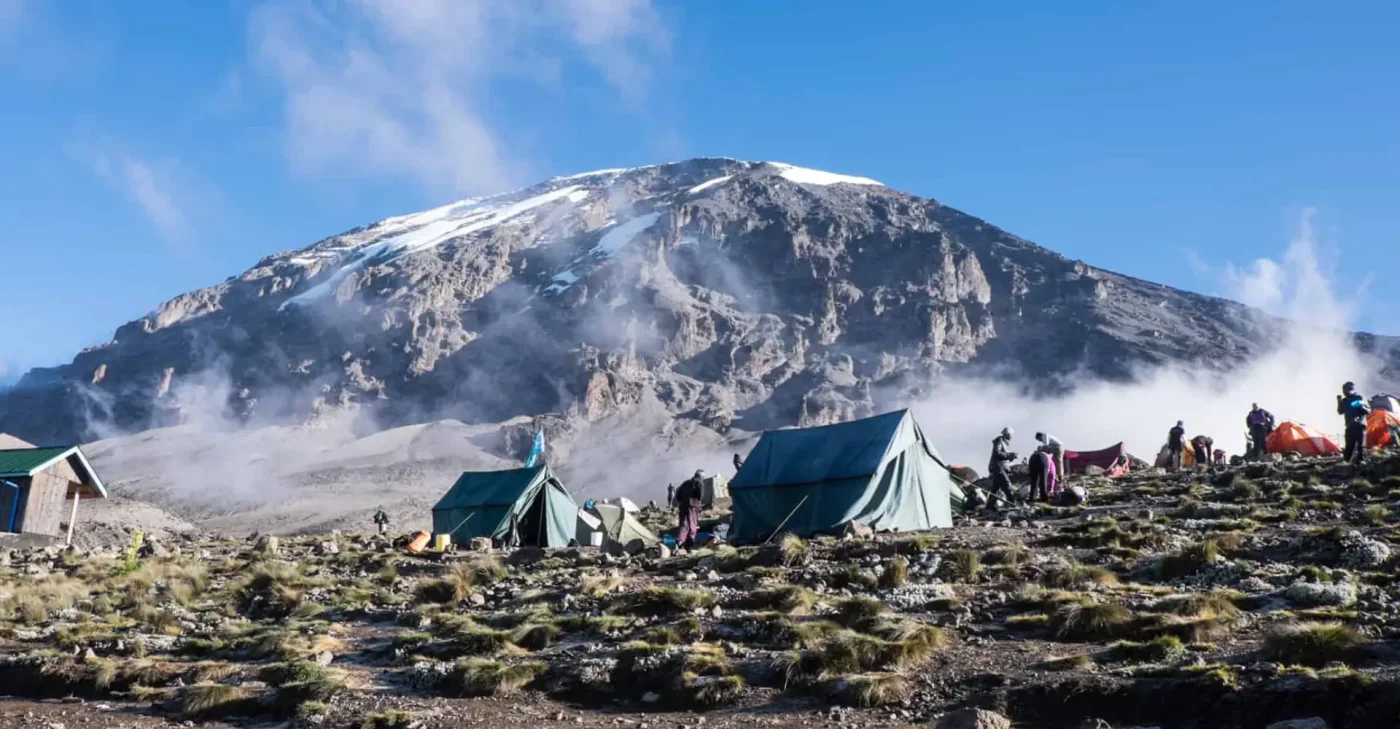
Barafu Camp is the summit staging point, perched on a rocky, exposed ridge at 4,640 meters. The wind can be fierce at this altitude, and temperatures plummet after dark. Trekkers rest here during the afternoon and early evening before beginning the midnight summit push. The camp name means 'ice' in Swahili, an apt description for the freezing conditions that prevail at this elevation.
Camp: Barafu Camp
Altitude: 4,640m
The summit of Kilimanjaro at 5,895 meters is the reward for seven days of trekking through some of the most varied and spectacular landscapes on Earth. Reaching Uhuru Peak via the Lemosho Route means you have traversed the full western approach, crossed the Shira Plateau, conquered the Barranco Wall, and ascended through the night. The views from the rooftop of Africa are simply unforgettable.
Camp: Uhuru Peak
Altitude: 5,895m

Altitude Profile

2,780m
D1 Mti Mkubwa
3,500m
D2 Shira 1
3,840m
D3 Shira 2
3,960m
D4 Barranco Camp
4,035m
D5 Karanga Camp
4,640m
D6 Barafu Camp
5,895m
D7 Uhuru Peak
1,630m
D8 Mweka Gate

Elevation profile from gate to Uhuru Peak summit at 5,895m.

Essential Packing List

This is a quick reference. For a comprehensive gear checklist, see our full Kilimanjaro packing guide.

Clothing

  • Moisture-wicking base layers
  • Insulating mid-layers (fleece)
  • Waterproof outer shell jacket
  • Warm down jacket for summit night
  • Hiking pants and waterproof trousers

Gear

  • Broken-in hiking boots
  • Trekking poles (adjustable)
  • Headlamp with spare batteries
  • Daypack (20-30L)
  • Sleeping bag (-10C rated)

Essentials

  • Sunscreen (SPF 50+)
  • Water bottles or hydration pack
  • Personal medications
  • Snacks for energy
  • Camera and batteries
Full Gear Checklist

Choose Your Climb Package

Same route, your choice of comfort level. All packages include park fees, guides, porters, meals, camping gear, airport transfers, and hotel accommodation.

Budget

$2,400
per person
  • Standard camping gear
  • Shared facilities
  • Basic meals
  • Certified guide
Book Budget

Luxury

$5,800
per person
  • Walk-in tents
  • Private toilet
  • Hot showers
  • Gourmet meals
  • Premium sleeping setup
Book Luxury

Prices are in USD per person. Tips for guides and porters ($250-350) are not included. Request an exact quote for your group.

Ready to Climb the Lemosho Route?

Our experienced mountain team will guide you safely to Uhuru Peak. Includes all park fees, camping equipment, meals, and expert mountain guides.

Book Your Climb

Ready to Experience Tanzania?

Tell us your dream safari and we'll craft a personalized itinerary just for you.

Chat with us