Overview
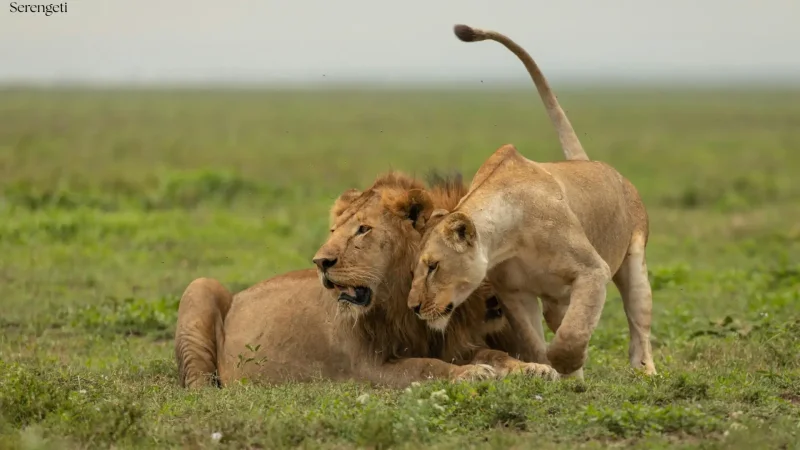
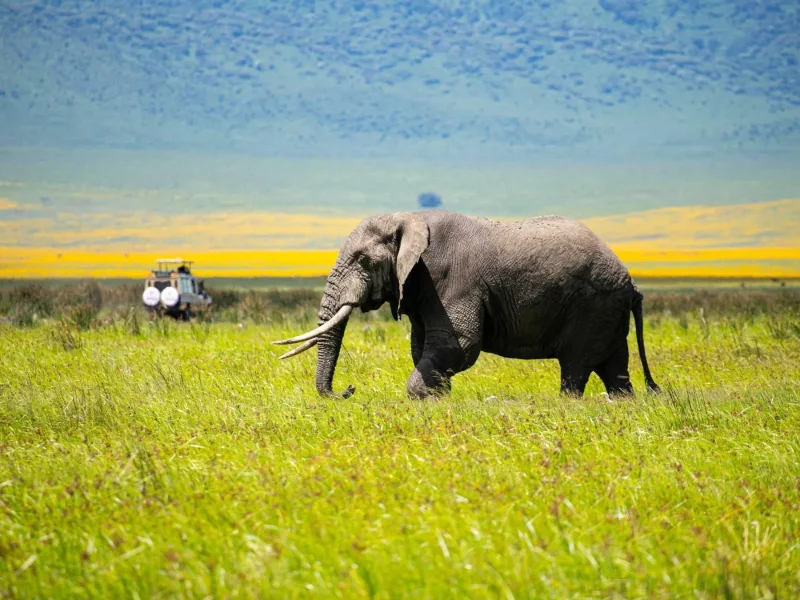
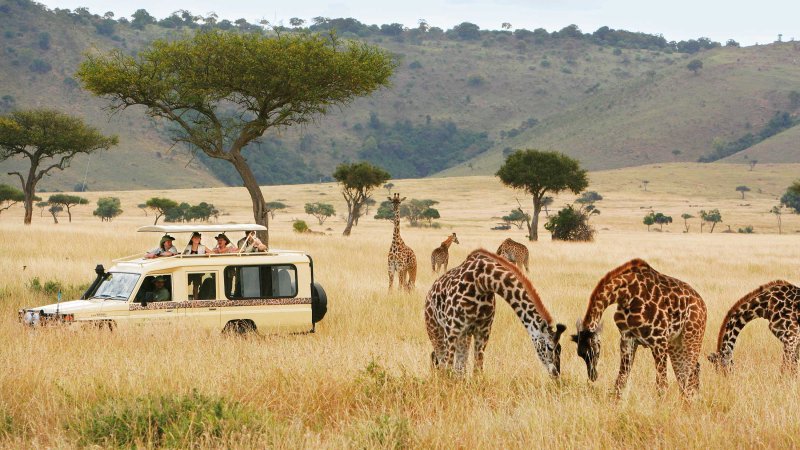
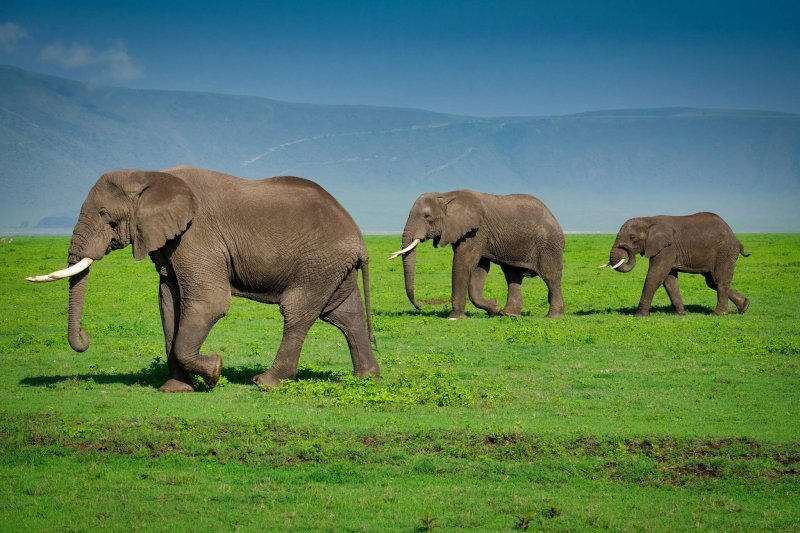
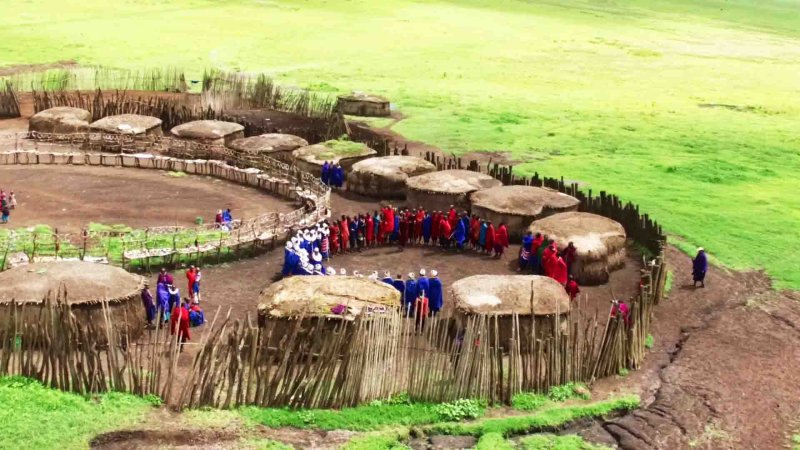
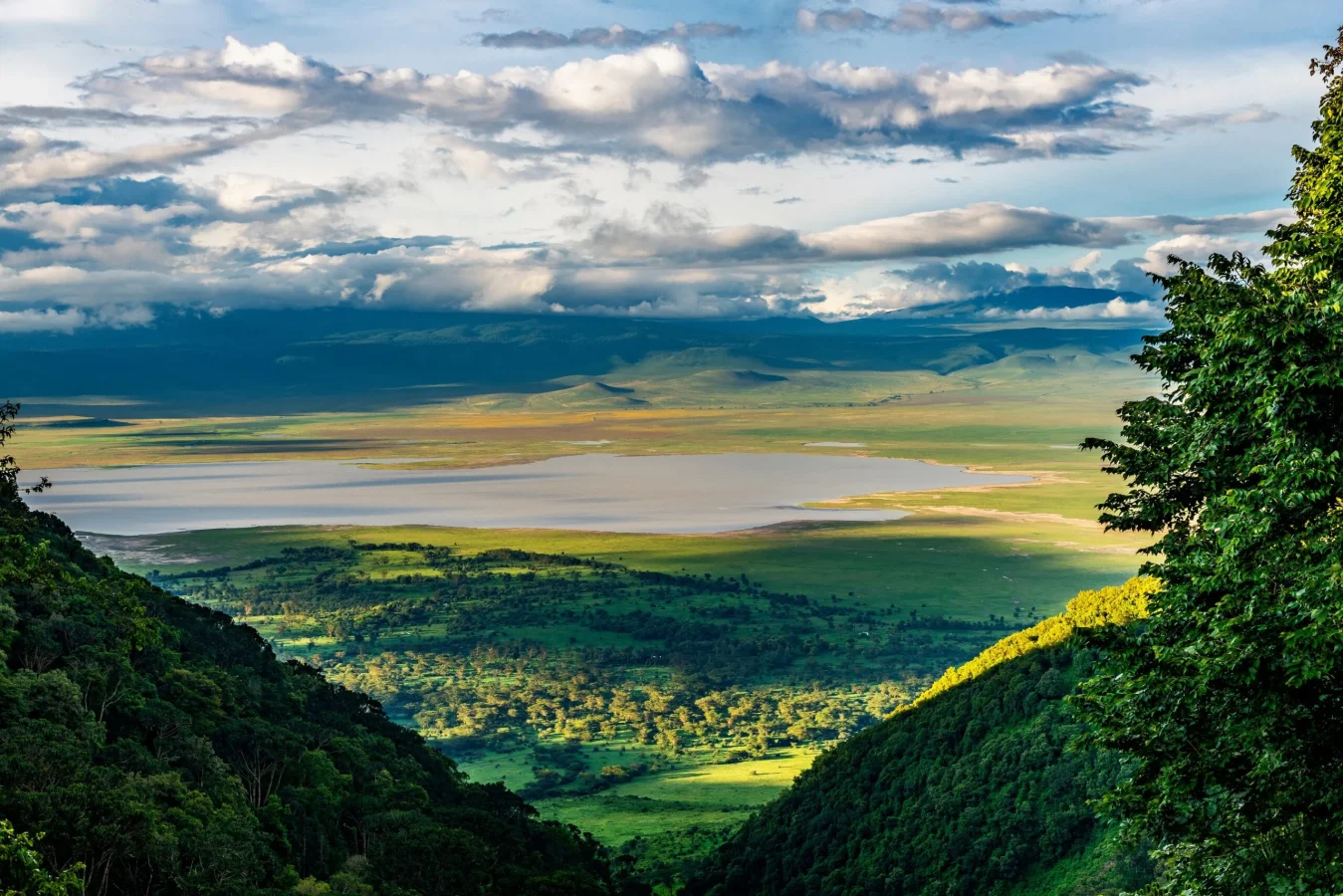
The Ngorongoro Crater is one of Africa's most remarkable natural wonders and a UNESCO World Heritage Site. Formed when a massive volcano collapsed inward roughly two to three million years ago, this caldera stretches 19 kilometers across and its walls rise over 600 meters above the crater floor. The result is a self-contained ecosystem that supports one of the densest concentrations of wildlife in all of Africa. The crater floor covers approximately 260 square kilometers and encompasses grasslands, swamps, forests, and a soda lake, Lake Makat. This diversity of habitats supports an astonishing variety of wildlife, including some of Tanzania's last remaining black rhinos. The crater is one of the few places in East Africa where you can realistically hope to see all of the Big Five in a single game drive. The Ngorongoro Conservation Area extends well beyond the crater itself, covering 8,292 square kilometers that include the Olduvai Gorge, one of the most important paleoanthropological sites in the world. Here, Louis and Mary Leakey discovered fossils of early humans dating back nearly two million years, earning it the nickname "Cradle of Mankind." The conservation area is also home to Maasai pastoralists who coexist with wildlife in this unique multiple land-use system. A game drive on the crater floor is an experience like no other. The descent down the steep crater wall reveals an ever-expanding panorama of wildlife below. Flamingos paint the shores of Lake Makat pink, elephants with enormous tusks browse in the Lerai Forest, and prides of lion lounge in the open grasslands. The crater offers some of the most reliable and concentrated wildlife viewing in Tanzania.