Overview
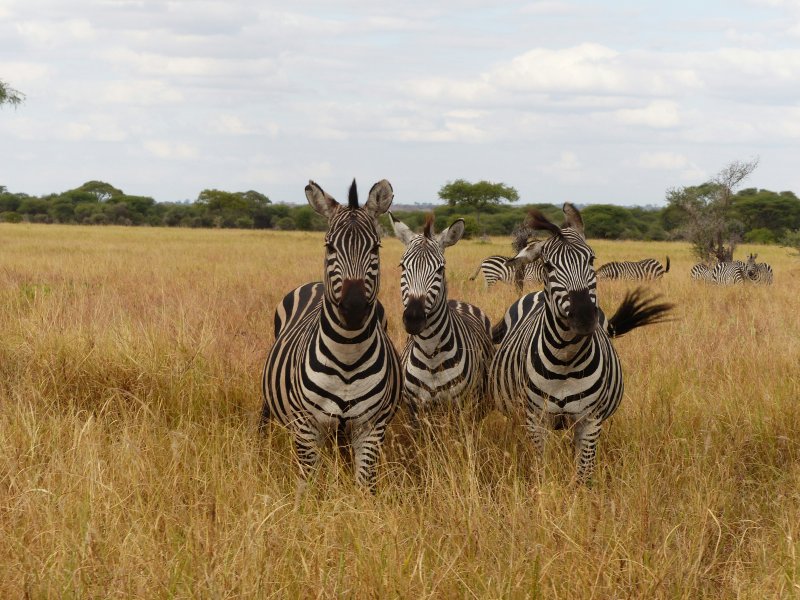
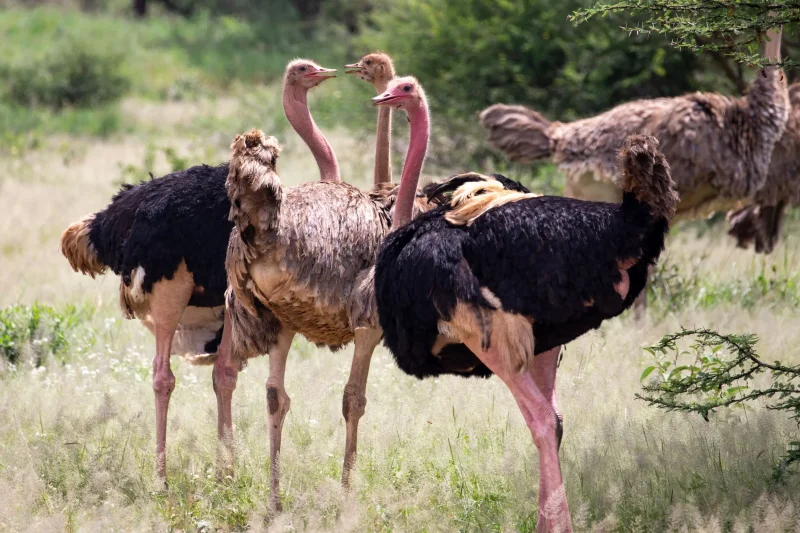
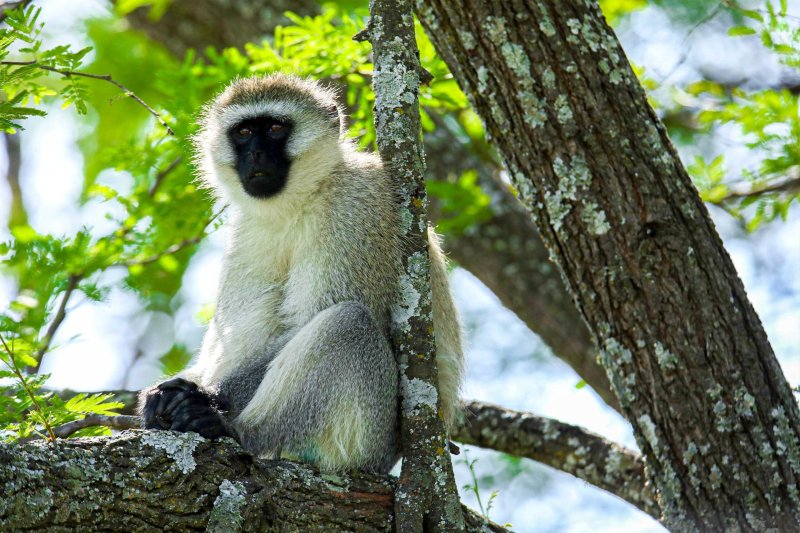
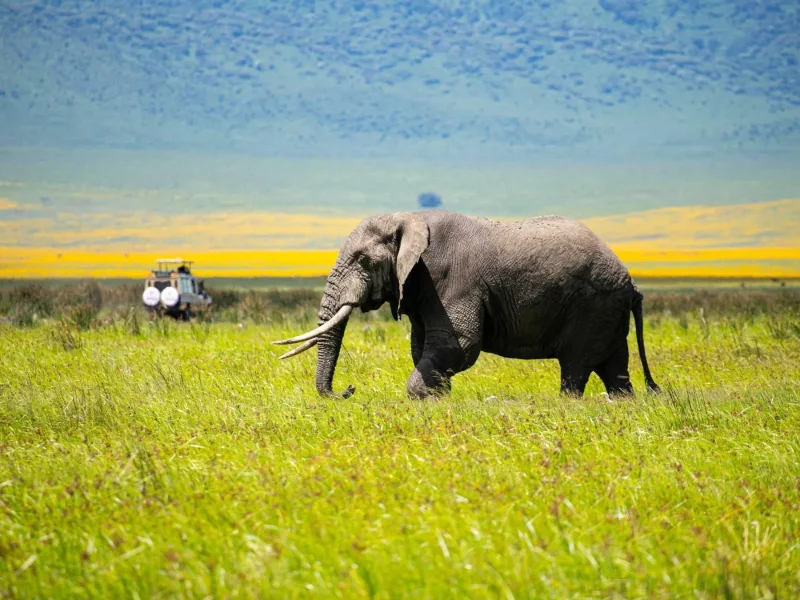
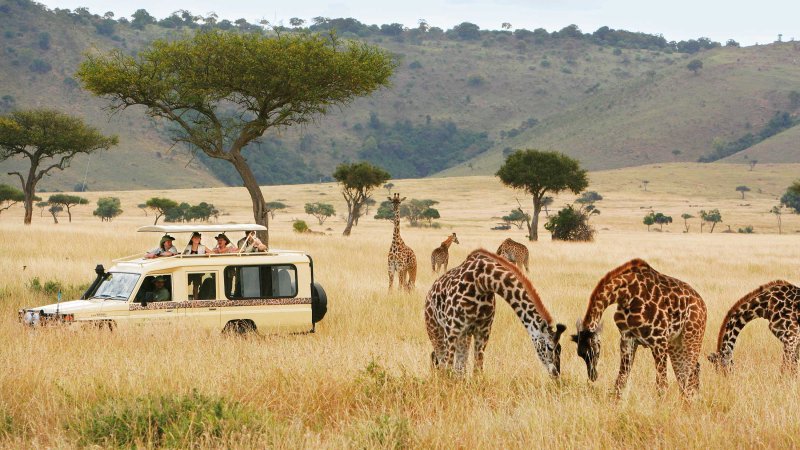
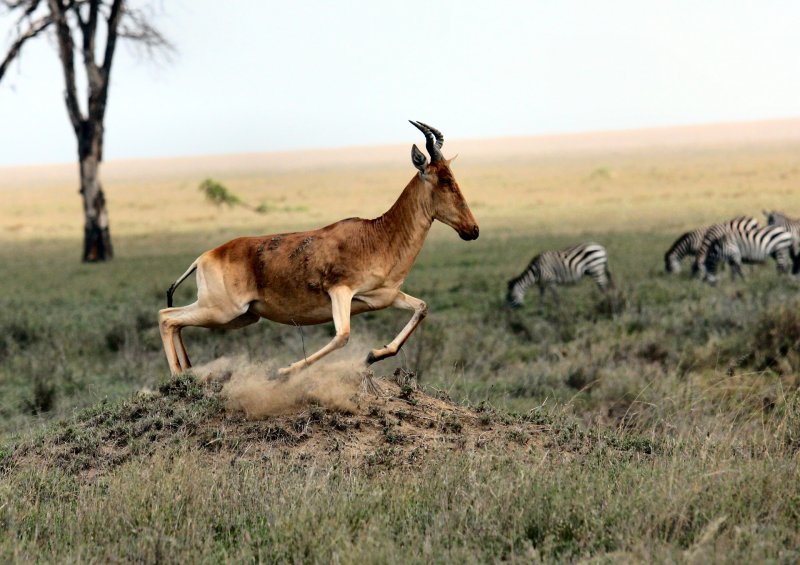
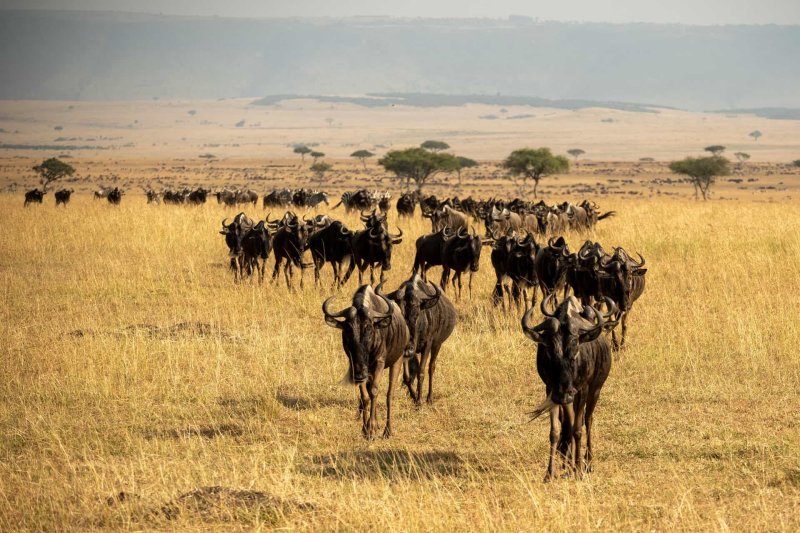
Tarangire National Park is one of northern Tanzania's hidden gems, often overshadowed by its more famous neighbors but no less spectacular. Covering 2,850 square kilometers, the park is named after the Tarangire River, which serves as the only permanent water source in the region during the dry season. This lifeline draws enormous concentrations of wildlife, creating some of East Africa's most impressive game viewing from June to November. The park is particularly famous for its elephants. Tarangire has the highest density of elephants per square kilometer in Tanzania, with herds of up to 300 individuals gathering along the river during the dry months. The sight of hundreds of elephants against a backdrop of towering baobab trees is quintessentially African and a photographer's dream. These ancient baobabs, some estimated to be over 1,000 years old, give the park a distinctive character found nowhere else in the northern safari circuit. Beyond elephants, Tarangire supports a remarkable diversity of species. The park is home to large populations of wildebeest, zebra, buffalo, giraffe, and various antelope species including fringe-eared oryx and gerenuk, which are uncommon elsewhere in northern Tanzania. It is also one of the best parks for tree-climbing lions and pythons draped over branches. Birdwatchers will find over 550 species recorded here, making it one of the top birding destinations in East Africa. Tarangire is an excellent safari destination that offers a more intimate and uncrowded experience compared to the Serengeti and Ngorongoro. The varied terrain of swamps, river valleys, and savannah woodland provides diverse landscapes for game drives, walking safaris, and night drives available in certain concession areas.